Running costs
What a cup of home coffee really costs in the UK
Machine, beans, electricity at the current Ofgem cap and the filters you cannot skip. The arithmetic behind a home double, worked through in pounds.
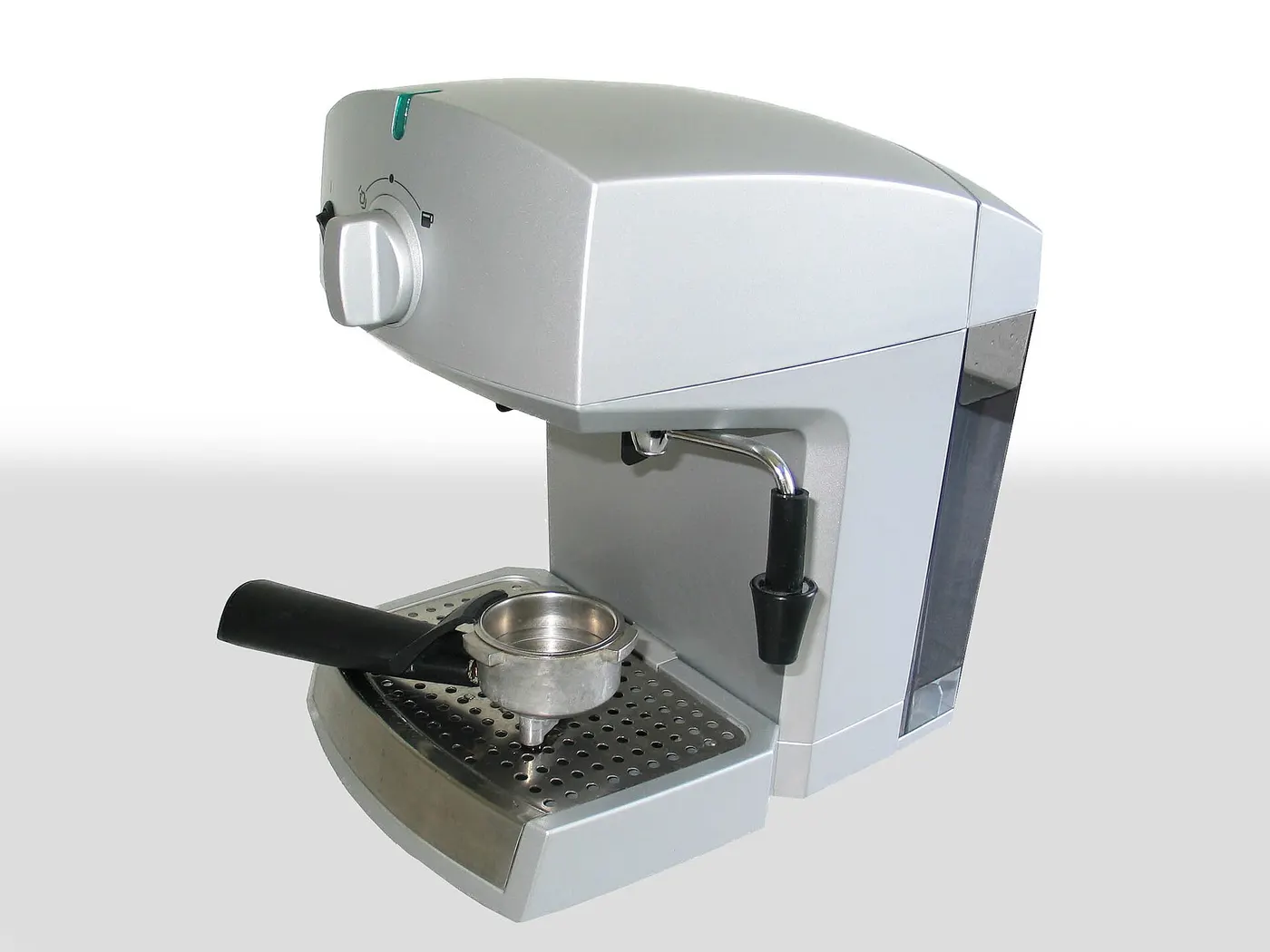
A machine's shelf price answers a question nobody asked. What a cup costs you depends on how long you keep the machine, how many cups you pull out of it, what you pay per kilogram for coffee, and what your water does to the boiler.
This guide works through those four numbers in order, with the division written out, so you can replace any figure with your own. Every price below is an example, labelled as one. Nothing on this site reads live prices and nothing here has been tested in a lab.
The machine is the small number, if you keep it
Spread the purchase over the cups you will actually pull. A machine bought for £450 and kept 5 years at 2 cups a day covers 3,650 cups, which is about 12p of machine in each one. The same machine abandoned after 2 years covers 1,460 cups and costs about 31p a cup — more than twice as much for identical equipment.
That is why the useful question is not whether a machine is worth £450 but whether you will still be using it in 2031. A machine with a serviceable pump, a common group size and gaskets you can order reaches that point. A sealed unit with no published parts list usually does not, whatever it cost on the day.
UK shelf prices for consumers include VAT, which HMRC sets at a standard rate of 20%. A £450 machine therefore carries £75 of VAT inside it, and the machine's real share of each cup is unaffected by that — you divide the price you paid, including the tax.
| Price paid, VAT included | Kept 2 years | Kept 5 years | Kept 8 years |
|---|---|---|---|
| £200 | about 14p | about 5p | about 3p |
| £450 | about 31p | about 12p | about 8p |
| £900 | about 62p | about 25p | about 15p |
Each cell is the price divided by 2 x 365 x the number of years, with nothing deducted for resale. The cost-per-serving calculator on this site takes a resale figure as well.
Beans are where the money actually goes
An 18 g double from a 250 g bag costs you the price per gram times eighteen. At an example £9 a bag that is £0.036 a gram, so about 65p of coffee in each double — five times the machine's share in the five-year column above.
That ratio is the single most useful thing to know before you shop. Moving from a £200 machine to a £450 machine changes the five-year cup by about 7p. Moving from a £9 bag of 250 g to a £6 bag changes it by about 22p, because £6 for 250 g is £0.024 a gram and 18 g of that is roughly 43p.
Waste is bean cost by another name. Two discarded shots while you dial in a new bag is 36 g out of 250 g, about 14% of the bag. A set of scales costing under £20 removes most of that, which makes it the cheapest upgrade in this guide.
- £9 for 250 g is £0.036 a gram, so an 18 g double holds about 65p of coffee
- £6 for 250 g is £0.024 a gram, so the same double holds about 43p of coffee
- A 1 kg bag at £22 works out at £0.022 a gram, about 40p a double, if you can drink it before it stales
- Two dial-in shots per bag adds roughly 14% to what that bag costs you per drink
Electricity, at the rate the regulator publishes
There is no energy label to compare. The GB energy information regulations cover dishwashers, washing machines, tumble driers, refrigerating appliances, electronic displays and several other groups, and coffee machines appear nowhere on that list. The only honest route is to read the rated power from the machine's own plate and do the arithmetic.
Ofgem's price cap for 1 October to 31 December 2026 sets an average direct debit electricity unit rate of 26.32 pence per kWh across England, Scotland and Wales, alongside a 54.83 pence daily standing charge. The standing charge is paid whether or not you make coffee, so only the unit rate belongs in a cost-per-cup sum.
A 1,350 W machine heating for 4 minutes a day draws 0.09 kWh a day, about 33 kWh a year, which is roughly £8.70 at the capped unit rate. Standby is the part that overtakes brewing: a machine left hot at an average 30 W for 12 hours a day uses about 131 kWh a year, roughly £34.60. Together that is about £43.30 a year, or close to 6p on each of 730 cups.
| Component | kWh a year | Cost a year |
|---|---|---|
| Heating 4 minutes a day at 1,350 W | 33 kWh | about £8.70 |
| Standby at 30 W for 12 hours a day | 131 kWh | about £34.60 |
| Standby at 30 W for 24 hours a day | 263 kWh | about £69.20 |
The two standby rows are alternatives to each other, and both are additions to the heating row. Rated power is a maximum and a boiler cycles, so a plug-in meter normally reads below this arithmetic.
Descaler and filters: the line most buyers leave out
Scale is what kills domestic machines early, and the interval is set by your water rather than by the calendar. On an example schedule of one descale every 3 months at £2 a treatment, that is £8 a year. A filter cartridge at £5 changed every 2 months is 6 cartridges, so £30 a year.
Those two together come to £38 a year, which across 730 cups is about 5p each: 1p of descaler and 4p of filter. That is more than the electricity in the heating-only case and close to half the machine's share in the five-year column.
The maintenance guide on this site sets the descaling interval against the hardness bands the Drinking Water Inspectorate publishes, so you can move that £8 up or down rather than treating it as fixed.
The four numbers added up
On the example figures used throughout — a £450 machine kept 5 years, 2 cups a day, £9 bags of 250 g at an 18 g dose, 1,350 W with 12 hours of standby, and £38 a year of descaler and filters — a home double comes to about 88p: 12p of machine, 65p of coffee, 6p of electricity and 5p of consumables.
Over a year that is about £644 for 730 drinks. Change one input at a time and the ranking barely moves in any household: beans first, machine and consumables next, electricity last. A cheaper machine rarely rescues an expensive bean habit, and a dearer one rarely ruins a cheap one.
The one input that does reorder the list is standby. Leaving a machine hot for 24 hours instead of 12 adds about £34.60 a year on the capped rate, which pushes electricity past the consumables line and past the machine's own annual share of £90.
- Machine: £450 over 5 years at 2 cups a day — about 12p a cup
- Coffee: 18 g at £0.036 a gram — about 65p a cup
- Electricity: £43.30 a year over 730 cups — about 6p a cup
- Descaler and filters: £38 a year over 730 cups — about 5p a cup
- Total on these inputs: about 88p a cup, about £644 a year
Before you buy
- Write down the cups a day you genuinely make, then divide the machine price by that number over 5 years before comparing two models
- Check that gaskets, baskets and a pump are sold as spare parts for the model before you order it
- Read the rated wattage off the machine's plate and put it into the running-energy calculator with your own unit rate
- Take your unit rate from your own bill rather than the capped average of 26.32p per kWh
- Price one 250 g bag of the coffee you would actually drink, divide by 250 to get a price per gram, then multiply by your dose
- Cost a year of descaler and filter cartridges for the model you want, not for the model you own
- Decide now whether the machine will idle hot for 12 hours a day, because that single habit is worth about £34.60 a year
Questions readers ask
- Are pods cheaper per cup than beans?
- Not per gram of coffee. A pod holding about 5.5 g at an example 38p is £0.069 a gram, against £0.036 a gram for a £9 bag of 250 g. A pod cup is cheaper than an 18 g double only because it contains a third of the coffee. Pod machines cost less to buy and more to run, so the crossover arrives within months at 2 cups a day.
- Does leaving the machine switched on all day cost much?
- At the capped unit rate of 26.32p per kWh, an average 30 W draw for 24 hours is about 263 kWh and £69.20 a year, against £34.60 for 12 hours. It also holds the boiler at temperature, which lays scale down faster in hard water. A plug timer or the machine's own auto-off recovers most of that.
- Should the grinder go into the cost per cup?
- Yes, on exactly the same division as the machine. A £180 grinder kept 5 years at 2 cups a day covers 3,650 cups and adds about 5p each. It belongs in the equipment column alongside the machine's 12p, which takes the equipment share of an 88p cup to about 17p.
- Does VAT change the arithmetic?
- No, because you divide what you paid. UK consumer shelf prices already include VAT, charged at the standard rate of 20%, so a £450 machine carries £75 of tax and the £450 is the number that goes into the division. VAT matters only when you compare a UK retail price against an ex-tax price quoted abroad.
- How many cups a day makes a machine worth buying?
- The division decides it. At 1 cup a day a £450 machine over 5 years covers 1,825 cups and costs about 25p each; at 3 cups a day it covers 5,475 and costs about 8p. Below roughly 1 cup a day the equipment share overtakes the coffee share, and the drink becomes an equipment purchase with coffee attached.
Sources
- Ofgem — energy price cap unit rates and standing charges, 1 October to 31 December 2026 — checked 2026-11-03
- GOV.UK — Regulations: energy information (product groups that must carry a GB energy label; coffee machines are not among them) — checked 2026-11-03
- GOV.UK — VAT rates on different goods and services (standard rate 20%) — checked 2026-11-03
Advertising is not enabled on this site yet. When it is, ads will be labelled and kept visually separate from the guides.